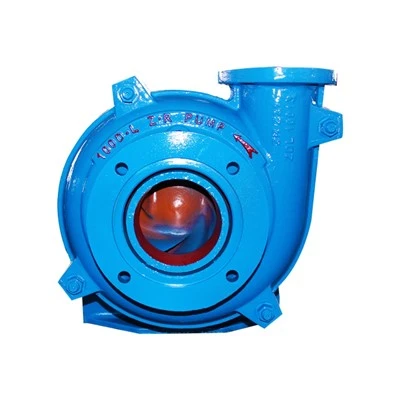
Sewage pumps are core equipment in sewage treatment systems. Their stable operation is directly related to drainage efficiency and the lifespan of the facility. Scientific daily care not only prevents malfunctions but also significantly reduces maintenance costs. This article systematically explains the key points of daily sewage pump maintenance, including cleaning, inspection, lubrication, and operating procedures.
Ⅰ. Cleaning: Maintaining Equipment Surface and Internal Hygiene
Sewage pumps are exposed to impurities and corrosive substances in sewage for a long time, which can easily lead to surface dirt and internal sediment accumulation, affecting performance. Daily cleaning should focus on the following aspects:
1.External Cleaning: Wipe the pump surface daily with a soft cloth to remove oil, silt, and other debris. For stainless steel pumps, avoid using steel wool or strong acid cleaners to prevent scratches or corrosion.
2.Inlet and Strainer Maintenance: Check the inlet strainer weekly to remove any large particles such as fiber and plastic that may be clogged. If the strainer is damaged, replace it immediately to prevent foreign matter from entering the pump cavity and damaging the impeller.
3.Internal Flushing (depending on operating conditions): For environments with high concentrations of sludge or chemical wastewater, it is recommended to backflush the pump chamber with clean water through the flushing valve after every 20-30 hours of operation to prevent the accumulation of scale and corrosive deposits.
II. Inspection of Key Components: Preventing Potential Failures
Regular inspections are crucial for identifying potential problems, and the following components should be monitored closely:
1. Seals and Bearings: Observe the mechanical seals daily for leaks (normal leakage should be ≤5 drops/minute). If persistent leakage or seal surface wear is observed, replace them promptly. Bearing temperatures must not exceed 40°C (typically ≤70°C) above ambient temperature. Abnormal temperature increases may indicate insufficient lubrication or excessive load.
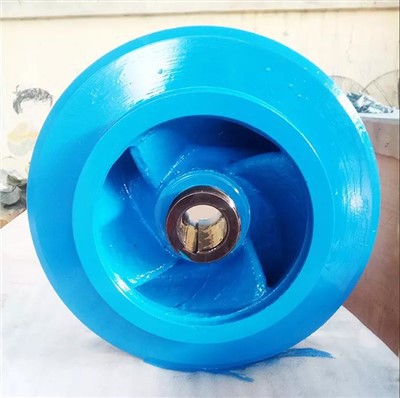
2. Impeller and Pump Shaft: Manually rotate the pump shaft after weekly shutdowns to check for binding or abnormal noise. Disassemble the impeller monthly to inspect for cracks, wear, or corrosion (wear depth >2mm requires replacement). Also, verify that the pump shaft is free of bending or deformation.
3.Electrical Connections: Check cables daily for damage and aging, and ensure terminals are tight (looseness may increase contact resistance and cause overheating). Check the motor winding insulation resistance to ground monthly with an insulation resistance meter (≥0.5MΩ is acceptable).
III. Lubrication Management: Extending the Life of Moving Parts
Sewage pumps rely on lubrication to reduce friction in moving parts such as bearings and seals. Proper lubrication is crucial:
1. Lubricant Selection: Use a water-resistant, corrosion-resistant lithium-based grease or a specialized pump lubricant according to the manufacturer's recommendations (for high-temperature environments, select a grease with a temperature resistance >120°C).
2. Refilling Frequency: Sealed bearings should generally be relubricated every 500-800 hours of operation (refilling 1/3-1/2 of the bearing cavity). Open bearings require the oil level checked and refilled every 200-300 hours (the oil level should remain at the center of the oil gauge).
3.Precautions: Use clean tools (such as a dedicated grease gun) when refueling to avoid dust contamination. Do not mix greases of different brands or types to prevent chemical reactions and inactivation.
IV. Operating Instructions: Avoid Human Damage
Improper operating habits are a common cause of sewage pump failure. Strictly adhere to the following instructions:
1.Pre-Startup Preparation: Confirm that the pump chamber is full of liquid (do not run it idle! Idle operation can damage the impeller and pump casing due to frictional heat generation). Turn the pump manually until there is no obstruction before reconnecting the power supply. For self-priming pumps, prime and vent the pumps before first use.
2.Monitoring During Operation: During operation, ensure that the current is stable (no more than 110% of the rated current). Any abnormal fluctuations may indicate impeller obstruction or motor overload. Also, monitor the operating sound (normal operation should be uniform and low noise. Any abnormal noise, such as metallic grinding, should prompt immediate shutdown).
3.Maintenance During Downtime: During extended downtime (>1 month), drain any accumulated water from the pump cavity and piping, apply anti-rust oil to protect metal parts, and place the pump in a dry, ventilated area. Before reactivation, perform a thorough inspection and test run for 10-15 minutes.
Conclusion
Daily maintenance of sewage pumps is a systematic process, requiring a multi-pronged approach that combines cleaning, inspection, lubrication, and standardized operation. Establishing a "daily inspection + regular maintenance" management system (it's recommended to develop a maintenance log that details the results of each inspection) can effectively extend the equipment's service life and ensure the stable operation of the sewage treatment system. Only by paying attention to detail can we achieve the goal of "minor maintenance" and avoid "major failures."