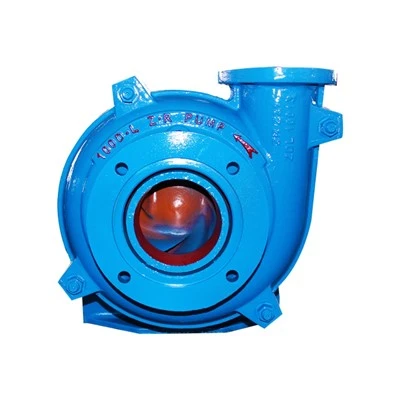
Sewage pumps are critical equipment for sewage treatment and disposal. Their proper use and maintenance directly impact their operating efficiency, service life, and safety.Mastering sound operating techniques not only improves efficiency but also effectively prevents common failures. The following details four aspects: installation preparation, operating procedures, maintenance, and precautions.
I. Pre-Installation Preparations
Quality installation of a sewage pump is the foundation for subsequent stable operation. First, select the appropriate model based on the actual operating conditions (such as sewage type, flow rate, and required head). For example, small household sewage pumps are generally suitable for low-flow applications, while industrial or municipal projects require high-power, high-head pumps. The installation location should ensure good ventilation and easy access for maintenance, and avoid areas where flammable and explosive materials are stored. For submersible sewage pumps, ensure that the depth of the pool or pit meets immersion requirements to prevent damage to the motor due to water ingress. For dry-installed sewage pumps, ensure strict alignment of the inlet and outlet pipes to prevent cavitation and vibration caused by misalignment. Furthermore, the power supply system must match the pump's rated voltage and power, and a leakage protection device must be installed to ensure operator safety.
II. Standardized Operating Procedures
Before starting a sewage pump, inspect the pump body and piping for foreign objects (such as rocks or plastic bags) to prevent impeller obstruction. When restarting the pump for the first time or after a long period of inactivity, manually crank the pump (rotate the coupling) 2-3 times to ensure smooth rotation without any stagnation. During startup, it is recommended to gradually adjust the valve opening rather than fully opening it immediately to reduce the impact of transient loads on the motor. During operation, closely monitor the pressure gauge and ammeter to ensure they are within the normal range (generally, the current should not exceed 110% of the rated value). Listen for any unusual noises (such as grinding or banging). If any unusual noises or increased vibration are detected, immediately shut down the pump and investigate the cause. When not in use, close the outlet valve before disconnecting the power supply to prevent water hammer damage to the piping.
III. Key Points for Daily Maintenance and Care
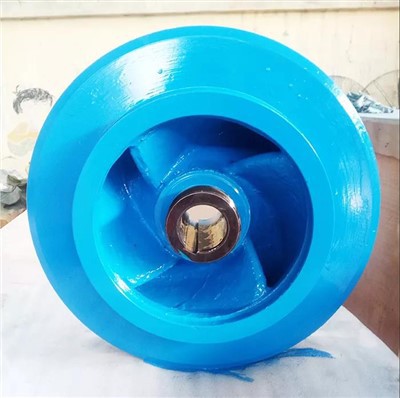
Regular maintenance is key to extending the life of a sewage pump. After daily operation, clean accumulated dirt on and around the pump body to prevent corrosive substances from corroding the casing. Check the lubricating oil (grease) level weekly. If the oil becomes black or contains impurities, replace it promptly. (Submersible sewage pumps generally do not require additional lubrication, but the condition of the seals should be monitored.) Disassemble and inspect the impeller, bearings, and seal assembly monthly to remove any accumulated scale or fiber debris. Excessively worn components should be replaced promptly. During extended periods of non-use, drain any accumulated water from the pump cavity and piping, apply anti-rust oil to protect metal surfaces, and disconnect the control cabinet from power to prevent circuit degradation. In particular, the insulation of submersible sewage pump cables must be regularly inspected to prevent damage and electrical leakage.
IV. Key Precautions
Sewage pumps must strictly adhere to safety regulations: Prolonged idling without water (except for dry-type pumps) is prohibited, as frictional heat generation can damage the mechanical seal. When pumping highly corrosive or high-temperature sewage, confirm the resistance of the pump material (such as stainless steel or engineering plastics) in advance and implement insulation or neutralization measures. If the pump frequently starts (with intervals less than 3 minutes), it may indicate a pipe blockage or improper flow design. System configuration should be optimized rather than forced operation. Furthermore, during winter, when sewage pumps are not in use, proper insulation should be applied to prevent residual water from freezing and expanding, potentially cracking the casing.
In summary, the efficient operation of sewage pumps depends on scientific installation, standardized operation, and meticulous maintenance. Users should develop a personalized management plan tailored to their specific operating conditions. By carefully controlling details, they can reduce failure rates and ensure the long-term stability of the equipment in meeting sewage treatment needs.