As core equipment in sewage treatment systems, sewage pumps' performance directly impacts sewage transport efficiency and system reliability. Sewage pump synthesis involves multiple steps, including material selection, structural design, manufacturing processes, and performance optimization. Key factors such as corrosion resistance, wear resistance, sealing, and energy efficiency must be comprehensively considered. This article systematically explains the main sewage pump synthesis methods and key technical points.
I. Material Selection and Pretreatment
The synthesis of sewage pumps primarily relies on the scientific selection of materials. Because sewage often contains corrosive substances (such as acids and alkalis), solid particles, and organic pollutants, the pump body material must possess excellent corrosion resistance and mechanical strength. Commonly used materials include:
1.Cast Iron and Stainless Steel: Gray cast iron or ductile iron is commonly used for conventional sewage pumps due to their low cost and ease of processing. However, for highly corrosive environments, 304 or 316 stainless steel is preferred for its improved resistance to acid, alkali, and chloride ion corrosion.
2.Engineering plastics: Such as polyvinylidene fluoride (PVDF) or ultra-high molecular weight polyethylene (UHMWPE). These are suitable for highly corrosive wastewater, but they have low mechanical strength and are primarily used in small or specialized pumps.
3.Composite materials: Metal surfaces reinforced with epoxy resin or ceramic coatings can significantly improve wear resistance and chemical corrosion resistance.
Material pretreatment includes surface cleaning, rust removal, and heat treatment to ensure quality in subsequent processing. For example, stainless steel pump bodies typically undergo pickling and passivation to form a protective oxide film.
II. Structural Design and Synthesis Process
The structural design of a sewage pump directly impacts its operating efficiency and lifespan. The following aspects require special attention during the synthesis process:
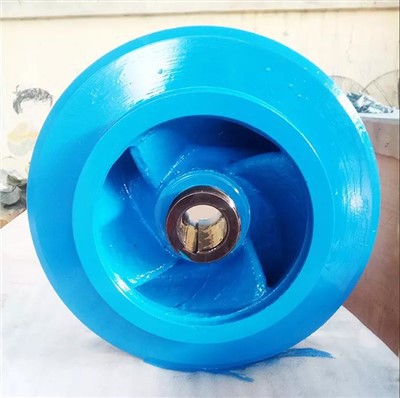
1.Impeller Design: The impeller is the core component of a sewage pump, and its geometry determines its fluid dynamics. Common impeller types include closed, semi-open, and open impellers. Semi-open impellers are suitable for wastewater containing solid particles because they are less prone to clogging and easier to maintain.
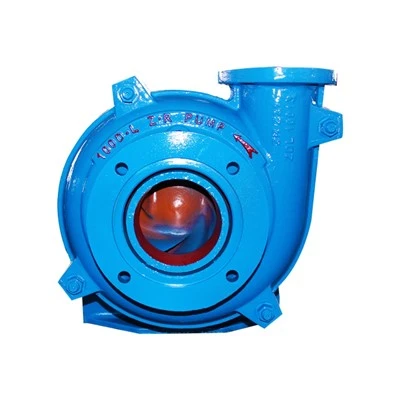
2.Pump Casing and Flow Path Optimization: Pump casings are typically formed using casting or welding processes, and the flow path design must reduce turbulence and energy loss. Computer-aided design (CAD) and computational fluid dynamics (CFD) simulations can optimize flow path geometry and improve pump efficiency.
3.Sealing System: Mechanical seals or packing seals are key to preventing leakage. For highly corrosive media, mechanical seals made of silicon carbide or carbon graphite are used, supplemented by a flushing system to extend service life.
The assembly process primarily includes casting, machining, assembly, and testing. Precision casting (such as lost wax casting) ensures dimensional accuracy for complex structures, while CNC machining (CNC) is used to manufacture high-precision impellers and shafts.
III. Performance Optimization and Testing
After the sewage pump is assembled, its performance must be verified through a series of tests:
1.Hydraulic Performance Testing: Flow rate, head, and efficiency are measured under standard operating conditions to ensure compliance with design requirements.
2.Corrosion and Wear Resistance Testing: Evaluate the long-term stability of the material by simulating wastewater environments (e.g., adding sand or acid/base solutions).
3.Sealability and Vibration Testing: Measure the pump's sealing performance under high-pressure conditions and optimize dynamic balancing through vibration analysis.
In addition, modern sewage pumps often integrate intelligent control systems, such as variable frequency drive or remote monitoring, to further improve energy efficiency and reliability.
Conclusion
The synthesis of sewage pumps is a multidisciplinary process, involving the coordinated optimization of materials science, fluid mechanics, and manufacturing processes. Through rational material selection, structural design, and performance testing, efficient and durable sewage pumps can be produced to meet the diverse needs of industrial and municipal wastewater treatment. In the future, with the development of new materials and intelligent manufacturing technologies, the synthesis of sewage pumps will further advance towards higher efficiency and greater intelligence.