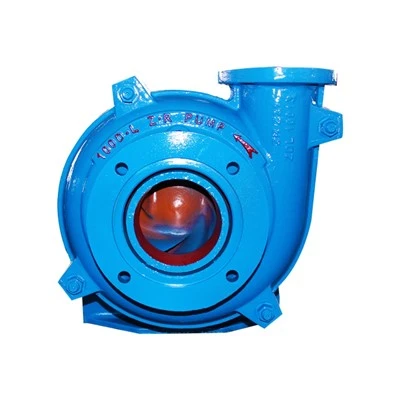
As a core component of a sewage treatment system, the stable operation of a sewage pump is directly related to the overall system's treatment efficiency and service life. A reasonable maintenance cycle not only reduces equipment failure rates but also significantly reduces maintenance costs, making the development of a scientific maintenance plan crucial.
Daily Inspection and Short-Term Maintenance (1-7 Days)
Before daily operation, check the sewage pump's power connection, piping tightness, and lubricant level to ensure there are no leaks or abnormal noise. Weekly, clean debris around the pump body to prevent blockage of the water inlet. Record key operating parameters such as operating current and pressure for comparative analysis. Short-term maintenance also includes tightening bolts and checking bearing lubrication to prevent performance degradation due to vibration or wear.
Interim Maintenance (1-3 Months)
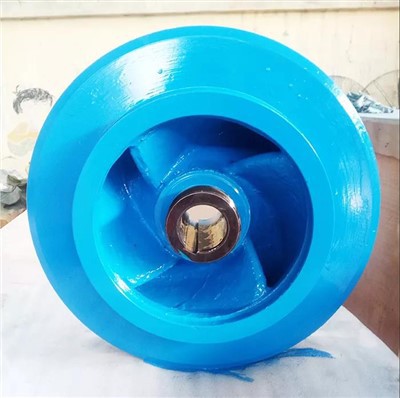
Perform a thorough inspection of the sewage pump every 1-3 months. This includes disassembling the impeller and seals to remove any debris or scale deposits. Inspect the mechanical seal for wear and replace if necessary to prevent leakage. Also, test the motor's insulation resistance and winding temperature to ensure electrical system safety. During this phase, control systems, such as level sensors or automatic start-stop devices, must also be calibrated to ensure the reliability of automated functions.
Long-term Maintenance and Overhaul (6-12 Months)
Comprehensive preventive maintenance should be performed every six months to one year, including changing the lubricant, checking bearing clearances, and inspecting the pump for corrosion. If the pump operates in a highly corrosive environment for a long period of time, the material durability should be evaluated and anti-corrosion treatment should be considered. During an overhaul, it is recommended to return the pump to the factory for inspection of key components, such as the motor stator and rotor, for wear. If necessary, a complete refurbishment should be performed to restore performance.
A rational maintenance cycle should be adjusted based on actual operating conditions. For example, a sewage pump operating under high load may require shorter maintenance intervals. Regular maintenance and data tracking can effectively extend equipment life and ensure the continued stable operation of the sewage treatment system.