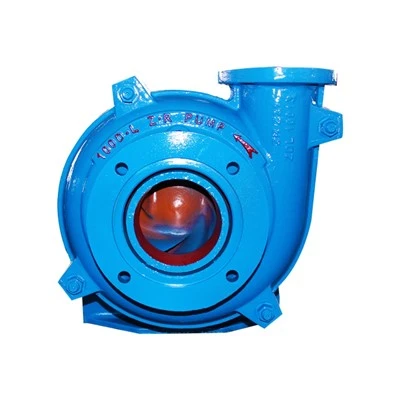
Dredge pumps, as key equipment in water conservancy projects, port construction, and river maintenance, come in a variety of types and functions. These different types of dredge pumps differ significantly in structural design, material selection, conveying capacity, and applicable scenarios, directly impacting project efficiency and cost. This article will explore the key differences between dredge pumps from the perspectives of technical specifications, operating principles, and practical applications.
1. Classification by Structural Type
Dredge pumps are primarily categorized into three types: centrifugal, positive displacement, and jet. Centrifugal dredge pumps utilize the centrifugal force generated by the high-speed rotation of the impeller to transport fluids. They are suitable for high-flow, medium-to-low-head applications, such as river dredging. Positive displacement dredge pumps (such as screw pumps or plunger pumps) transport fluids by changing the volume of the enclosed medium. They are suitable for slurries with high viscosity or high solids content and are commonly used in offshore dredging. Jet dredge pumps utilize the kinetic energy generated by high-pressure fluids to extract sediment and are often used for long-distance transport or operations under challenging geological conditions.
2. Classification by Material and Wear Resistance
Because dredging pumps handle highly abrasive media (such as sand, gravel, and rock), the materials of their flow path components vary significantly. Ordinary cast iron pumps are only suitable for low-wear environments, while pumps with high-chromium alloy, rubber lining, or ceramic coatings can significantly extend their service life. For example, deep-sea dredging pumps often use nickel-based alloys or tungsten carbide coatings to withstand severe corrosion and high shock loads. In contrast, inland waterway dredging pumps may use economical wear-resistant steel, balancing cost and performance.
3. Classification by Drive Method and Power Source
The drive method of a dredging pump directly affects its mobility and operational flexibility. Stationary dredging pumps are typically driven by electric motors and are suitable for stable environments such as power stations or ports. Mobile dredging pumps (such as those mounted on ships or vehicles) often use diesel engines or hydraulic drives for rapid deployment. Furthermore, electric pumps offer low noise and simple maintenance, but they rely on the power grid. Diesel pumps are highly adaptable, but have higher emissions and fuel consumption. In recent years, electric hybrid pumps have become increasingly popular, balancing efficiency and environmental requirements.
4. Differentiated Selection for Application Scenarios
The applicable scope of different dredging pumps is determined by their performance parameters. For example, high-lift centrifugal pumps are suitable for reservoir desilting, while high-flow, low-lift pumps are more suitable for coastal mudflat maintenance. For slurries containing hard particles, positive displacement pumps offer low shear forces, reducing the risk of equipment clogging. Furthermore, environmental dredging projects may prefer low-disturbance jet pumps to avoid secondary contamination.
Conclusion
The selection of a dredging pump requires a comprehensive consideration of the media characteristics, operating environment, and economic feasibility. Engineers should balance structural type, wear resistance, drive mode, and energy efficiency based on specific requirements to ensure equipment reliability and project effectiveness. In the future, with the advancement of materials science and intelligent technology, the performance differences of dredging pumps will be further refined, driving the dredging industry towards higher efficiency and environmental protection.