Dredge pumps, as core equipment in modern dredging projects, play an irreplaceable role in waterway maintenance, port construction, lake desilting, and environmental remediation.They efficiently transport sediments such as silt and clay, significantly improving project efficiency and operational accuracy. This article systematically explains the technical characteristics and industry value of dredging pumps from the perspectives of technical principles, structural design, application scenarios, and development trends.
Technical Principles and Core Functions
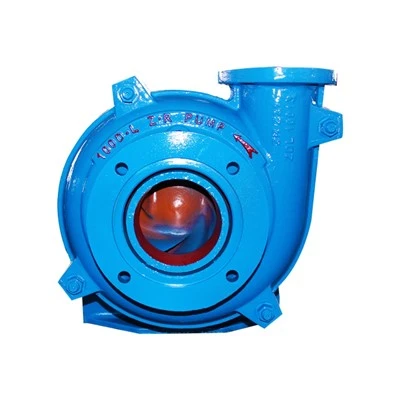
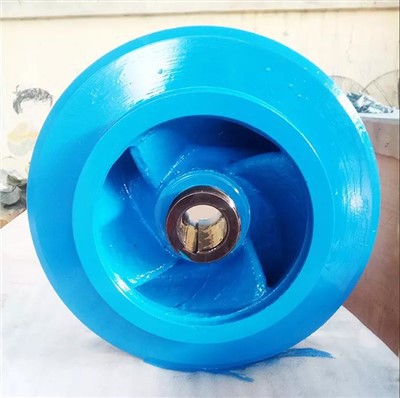
A dredging pump is essentially a high-lift, high-flow centrifugal or positive displacement pump. Its operating principle is based on the integration of fluid dynamics and mechanical transmission technology. When an electric motor or diesel engine drives the pump shaft, the high-speed rotation of the impeller generates centrifugal force, which pressurizes and pushes the mud-water mixture in the suction chamber to the discharge outlet. Key design features include the use of wear-resistant impellers and corrosion-resistant materials to withstand the wear and chemical attack of high-concentration solid particles. Some advanced models utilize a "two-stage impeller" or "cutting blade" structure to break up large sludge and improve conveying efficiency.
Structural Design and Material Innovation
The structure of a modern dredging pump typically includes a suction pipe, impeller chamber, pump casing, sealing system, and power transmission module. To adapt to complex operating conditions, high-chromium alloys, rubber linings, or composite ceramic coatings are often used to extend service life. For example, dredging vessel pumps are commonly equipped with replaceable wear rings and self-cleaning seals to reduce downtime and maintenance. Furthermore, the introduction of hydraulic drive and variable frequency control technology enables the pump to dynamically adjust speed based on sediment density, optimizing energy consumption.
Typical Application Scenarios
1.Waterway and Port Engineering: Dredging pumps are used to remove sediment from the bottom of waterways and ensure safe navigation. Approximately 70% of port expansion projects worldwide rely on this type of equipment.
2.Environmental Remediation: In lake and wetland desilting, dredging pumps can precisely extract contaminated sediment and, in conjunction with environmental protection technologies, minimize ecological damage.
3.Mining and Infrastructure: In tailings treatment and foundation pit drainage, their high flow rate significantly improves operational efficiency.
Development Trends and Challenges
Currently, dredging pump technology is evolving towards intelligent and green development. The integration of IoT sensors enables remote monitoring and fault diagnosis, while low-pulse designs reduce the impact of pipeline vibration on system stability. However, material fatigue and high energy consumption under extreme operating conditions remain bottlenecks that need to be overcome. In the future, with the maturation of composite material applications and energy recovery technologies, dredging pumps will further develop towards high efficiency and low carbon emissions.
In summary, dredging pumps are not only the cornerstone of infrastructure construction but also key equipment for promoting the sustainable use of water resources. Their technological advancements will continue to inject innovation into the global dredging industry.