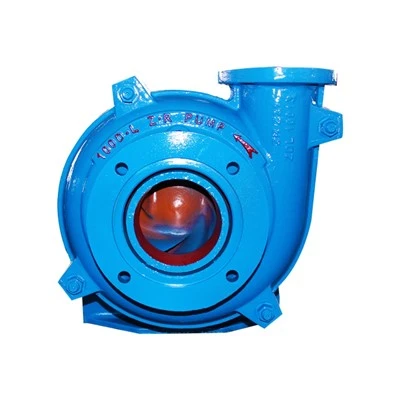
Slurry Pump Selection is a critical step for industries such as mining, metallurgy, power generation, coal processing, and dredging when purchasing equipment. Whether the selection is reasonable directly determines the pump's operating efficiency, service life, and subsequent maintenance costs. Unlike clean water pumps, slurry pumps handle media containing solid particles, and the density, particle size distribution, concentration, and abrasiveness of the slurry all significantly affect pump performance. Therefore, the selection method for clean water pumps cannot simply be applied.
When performing Slurry Pump Selection, the first step is to clarify basic operating parameters, including slurry flow rate, head, slurry density, solid weight concentration, maximum particle size and particle size distribution, pH value, and operating temperature. Among these, slurry density and concentration are the core basis for correcting pump performance curves. Since the flow rate, head, and efficiency of slurry pumps deviate from clean water conditions as slurry concentration changes, it is usually necessary to convert clean water performance curves based on solid concentration or refer to correction factors provided by manufacturers.
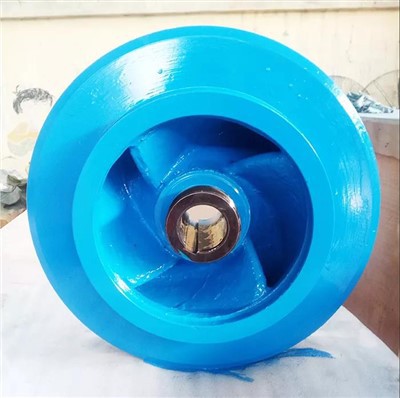
Second, the material of wetted components should be selected according to the abrasiveness and particle characteristics of the slurry. For highly abrasive conditions with hard particles, high-chromium cast iron or ceramic composite liners are preferred. For conditions containing coarse particles or prone to clogging, passage capability and impeller type must be considered. Common impeller types include closed, open, and semi-open. Closed impellers offer higher efficiency and suit fine particle conditions, while open and semi-open impellers provide stronger passage capability and suit slurries with large particles or high concentrations.
In addition, Slurry Pump Selection requires comprehensive consideration of rotational speed, shaft seal type, drive method, and installation conditions. Excessive speed aggravates wear, while insufficient speed may cause inadequate head or pipeline sedimentation. Reasonable pipeline velocity and pump operating point are usually determined based on critical settling velocity. For shaft seals, packing seals are simple in structure and easy to maintain, while mechanical seals suit applications with stricter leakage requirements.
Overall, scientific Slurry Pump Selection requires integrated consideration of operating parameters, hydraulic performance, material wear resistance, and operational economy. When necessary, manufacturer selection software and actual operating data should be used for verification to ensure long-term stable equipment operation.